
Growing Roots
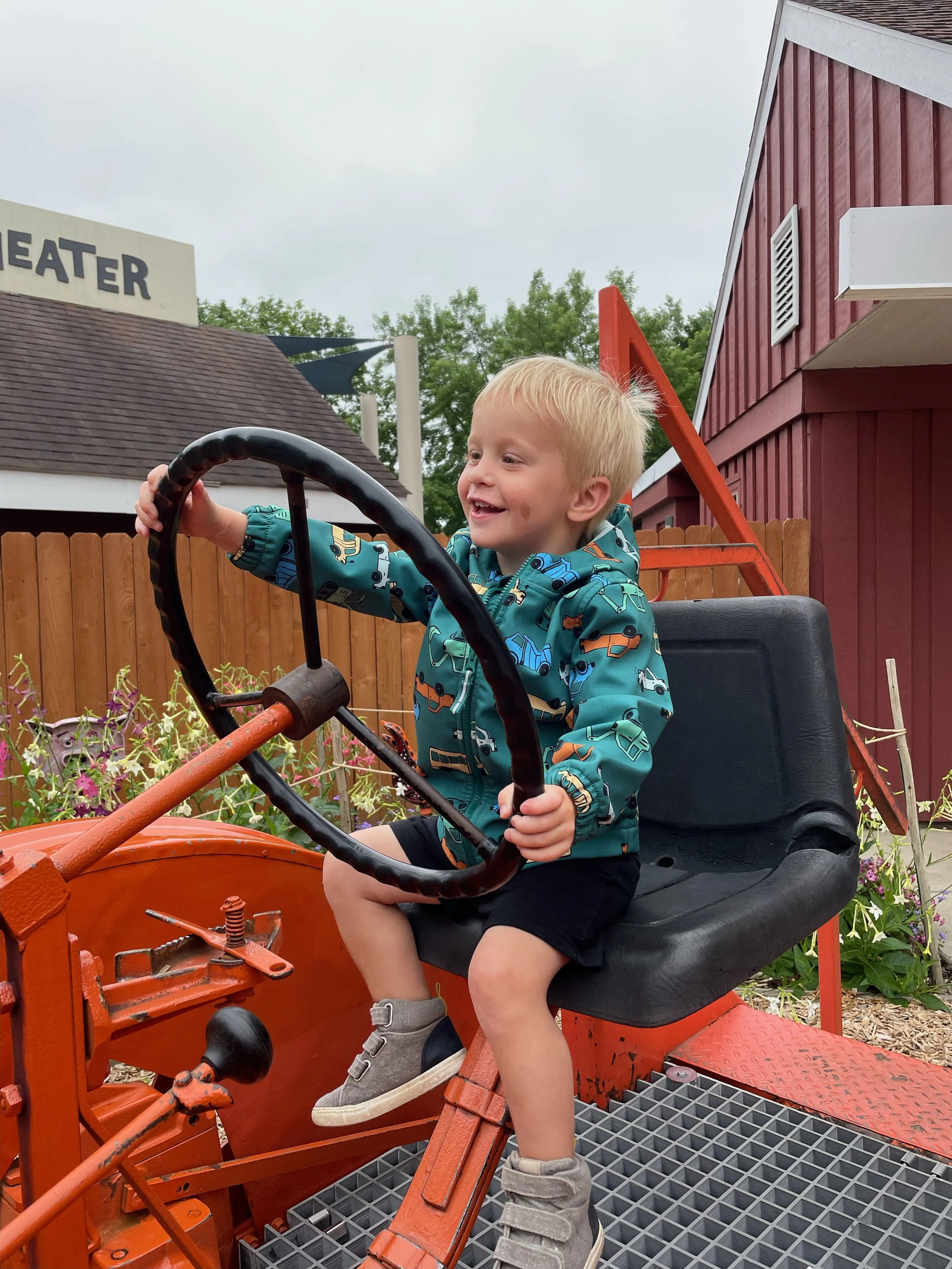
Therapist‑Designed Program
Designed and led by pediatric occupational and speech therapists with expertise in supporting children with diverse learning, communication, and sensory needs.
Orchid & Ivy enrichment programs are approved providers through Wisconsin CLTS (Children’s Long-Term Support) allowing eligible participants to use waiver funding for enrollment.
Program Highlights
Weekly community-based outings (greenhouse, equine, farm)
Small group size for individualized support and safety
Visual schedules, adapted tools and accommodations for all ability levels
Focus on fine motor, sensory, and communication skills
Opportunities for choice‑making and independence
Hands-on planting, harvesting, animal care, and simple cooking
Sensory-rich activities (soil, water, animals, herbs, textures)
Take-home flower box, harvested produce, and graduation certificate
Course Outline
Week 1 - Build and Plant - Hosted at East Troy Intergenerational Community Center
Children create their own sensory flower box with soil, seeds, herbs, and flowers to take home and nurture.
Week 2 – Grassway Organics in East Troy, WI
Learn about life on a dairy farm, crops, food production, and animal care.
Week 3 – Healing Horse Power - Hosted at Horse Power Healing in Eagle, WI
An equine experience focused on grooming, feeding, and connecting with horses while practicing regulation and following directions.
Week 4 – Farm Exploration & Harvest Celebration - East Troy
Feed and interact with farm animals and learn about crops while building confidence and communication. Pick seasonal produce and celebrate accomplishments with a special “Farmer Graduation Certificate.”
Targeted Skills
Fine motor development
Communication and AAC use
Sensory tolerance and exploration
Executive functioning
Independence and life skills
Confidence and social interaction
Builds confidence through real-life farm and garden experiences
Strengthens fine motor skills (scooping, pouring, picking, brushing)
Improves communication (requesting, commenting, sequencing)
Supports sensory regulation through hands-on nature activities
Encourages responsibility by caring for take-home plants or produce
Expands food exploration and comfort with new textures
Promotes social interaction and peer engagement
Helps generalize skills from community settings to home and school
Provides tangible reminders of success (plants, produce, graduation certificate)