
Community Champions: Adaptive T-Ball
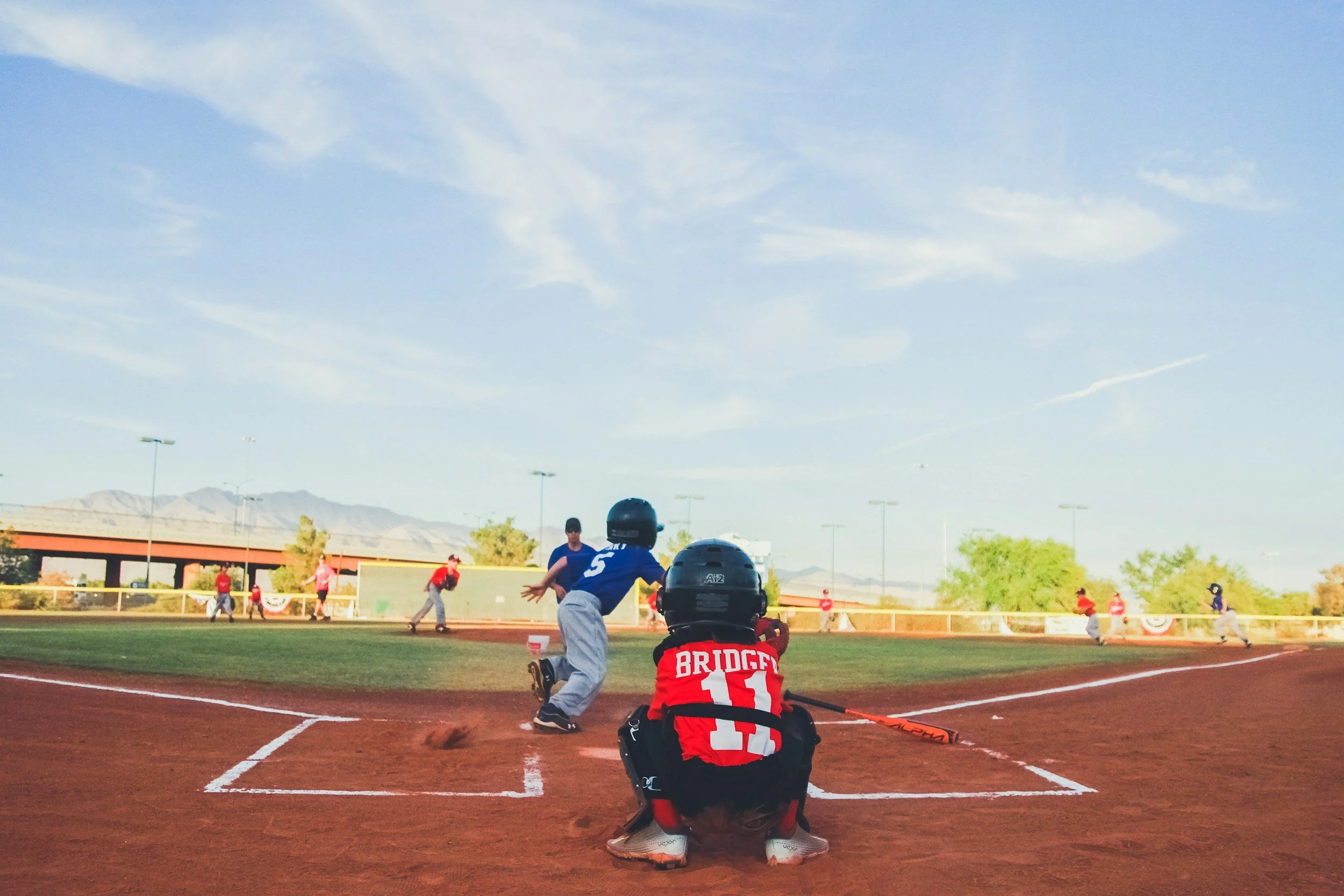
Therapist‑Designed Program
Designed and led by pediatric occupational and speech therapists with expertise in supporting children with diverse learning, communication, and sensory needs.
Cost
Cost per series is 180.00/45 dollars per class. Orchid & Ivy enrichment programs are approved providers through Wisconsin CLTS (Children’s Long-Term Support) allowing eligible participants to use waiver funding for enrollment.
Program Highlights
Adaptive skill-building in throwing, catching, batting, and running
Individualized supports to promote successful participation
Motor planning, coordination, and balance development
Teamwork, sportsmanship, and social skill development
Communication opportunities embedded throughout play
Confidence-building through achievable challenges
Inclusive, neuroaffirming environment
Designed by a pediatric Occupational Therapist and Speech-Language Pathologist
Week 1: Meet the Team
Get to know your teammates while learning the motor and language fundamentals of throwing, catching, running the bases, and practicing teamwork through fun, adaptive drills.
Week 2: Fielding Fun
Build confidence with fielding, catching, and throwing through engaging obstacle courses, partner activities, and cooperative challenges. Emphasis on engagement of working with partners and trying new things!
Week 3: Batter Up!
Practice batting, base running, and game strategies while strengthening coordination, motor planning, and communication in a supportive environment. This class will emphasize following directions, color identification, peer support, turn taking.
Week 4: Community Champions Game Day
Celebrate new skills by bringing everything together with an adaptive T-ball game, team challenges, awards, and a season-ending celebration focused on confidence, sportsmanship, and fun.
Targeted Skills
Gross motor coordination, balance, and body awareness
Motor planning, bilateral coordination, and visual motor integration
Executive functioning, including attention, sequencing, and following directions
Social communication, teamwork, and sportsmanship
Emotional regulation, flexibility, and confidence-building
Functional play and community participation
Independence and self-advocacy
Community immersion and engagement.